“Arabica coffee beans cultivation” search results (2000)

The basic knowledge of coffee encyclopedia on all aspects of coffee
Linnaeus (Swedish naturalist) classifies coffee plants into the Rubiaceae family, such as gardenia. The great naturalist named it Coffea. Although wild plants can grow as high as 10-12 meters, the plantations are about 3 to 5 meters high, with the exception of Colombia, where tree species rarely exceed 2 meters. This makes farming and picking easier and more economical to cultivate. Leaves
2014-10-16 Coffee knowledge coffee encyclopedia coffee basics
Coffee classification system
Special classification system of coffee: 1. Subgenus Coffea: 2. Malagasy coffee subgenus: 3. Subgenus Pala Coffee: 4. Age coffee subgenus: a, red coffee group: B, thick-skinned coffee group: C, Mozambican coffee group: d, black fruit coffee group E, dwarf coffee group: red fruit coffee group: a) Arabica species: Tibica varieties: (Tp)
2014-06-25 Coffee knowledge coffee classification coffee encyclopedia
Basic knowledge about all aspects of coffee-baristas must see
Linnaeus (Swedish naturalist) classifies coffee plants into the Rubiaceae family, such as gardenia. The great naturalist named it Coffea. Although wild plants can grow as high as 10-12 meters, the plantations are about 3 to 5 meters high, with the exception of Colombia, where tree species rarely exceed 2 meters. This makes farming and picking easier and more economical to cultivate. Leaves
2015-11-24 About coffee all parties noodles basics knowledge points division will
Fine Coffee Science explains in detail the three native species of coffee
Coffee, we generally refer to the finished product: the coffee we drink, also refers to coffee beans. Coffee belongs to the evergreen shrub of the genus Coffee of Rubiaceae. Coffee has some medicinal effects, such as waking up the brain, strengthening the stomach, stopping bleeding, dissipating heat, strengthening the body, etc., hee hee, if anyone is blinded by love, have a cup of coffee to wake up! There are about 40 species of coffee plants, but they can produce commercially valuable
2014-11-13 Coffee knowledge boutique caffeine coffee native species
The treatment of coffee originating from El Salvador coffee
The Arabica coffee tree, which originated in Ethiopia, accounts for 70% of the world's output of coffee beans; the world-famous Blue Mountain Coffee and Mocha Coffee are almost all Arabica species. The coffee trees planted in Arabica are suitable for growing in high mountains with large temperature difference between day and night, as well as soils with low humidity and good drainage; the ideal altitude is 500m ~ 2000 m, and the higher the altitude is, the better the quality is.
2016-05-26 El Salvador coffee origin treatment method Ethiopia rabbi
What is the roasting caramelization reaction of origin coffee?
The Arabica coffee tree, which originated in Ethiopia, accounts for 70% of the world's output of coffee beans; the world-famous Blue Mountain Coffee and Mocha Coffee are almost all Arabica species. The coffee trees planted in Arabica are suitable for growing in high mountains with large temperature difference between day and night, as well as soils with low humidity and good drainage; the ideal altitude is 500m ~ 2000 m, and the higher the altitude is, the better the quality is.
2016-06-06 Origin coffee which roasting saccharification reaction origin Ethiopia la
How many coffee beans are there in the world? World quality coffee beans
At present, the most important coffee beans mainly come from two varieties, namely Coffea Arabica and Coffea Canephore. The former is the so-called Arabica coffee bean. The latter is also known as Robusta coffee beans. The plant, cultivation method, environmental conditions, shape, chemical composition and even processing method of the two kinds of coffee beans are all
2015-11-09 world last total how many coffee beans quality at present most important
Do you know? The climate will affect your coffee.
As the second most traded commodity, coffee is second only to oil in value. Usually, it is thought that large food companies will always be able to get coffee from somewhere in the future, but global climate change is affecting coffee cultivation in tropical countries on both sides of the equator, and the coffee crisis is already brewing. This cup of coffee in your hand may be affected by the global climate! Changes in temperature and precipitation: reduction
2015-11-05 Know climate influence yours coffee curry reading guide as ranking second
Knowledge of Coffee Variety Classification
Special classification system of coffee: 1. Subgenus Coffea: 2. Malagasy coffee subgenus: 3. Subgenus Pala Coffee: 4. Age coffee subgenus: a, red coffee group: B, thick-skinned coffee group: C, Mozambican coffee group: d, black fruit coffee group E, dwarf coffee group: red fruit coffee group: a) Arabica species: Tibica varieties: (Tp)
2015-01-07 Boutique coffee variety classification knowledge specialty system subgenus
Basic knowledge of fine coffee knowledge of small-grain coffee
Coffee (scientific name: Coffea arabica), also known as coffee tree, Arabica coffee, etc., is the national flower of Yemen. Before the 6th century in the park, Yemen was called Arab, so the coffee trees transported from them to other places were also called Arabian coffee trees. The name coffee comes from the Arabic Qahwah, which means plant drink. Later, the coffee spread all over the world, and it was picked.
2015-07-28 Boutique coffee basics common sense granule knowledge scientific name Coffea
Yunnan small Coffee, known as "fragrant Coffee", introduces the characteristics of Alpine Arabica Coffee producing areas in Yunnan, China
Coffee is a kind of beverage crop with high economic value, which is called the three largest beverages in the world together with cocoa and tea, and its output and consumption ranks first among the three beverages. Coffee is rich in protein, fat, sucrose, starch, glucose, caffeine and other substances, rich aroma and delicious taste. Coffee belongs to the family Rubiaceae.
2023-03-13 Known as fragrant coffee Yunnan small grains coffee introduction producing area China a kind of
Arabica Coffee Coffee Arabica
Many people have seen roasted coffee beans, but unless you have lived or traveled to coffee producing areas, you may not know coffee trees. The saplings are short-trimmed, but when they mature, they are 30 feet tall and covered with waxy leaves that grow symmetrically in dark green. The coffee fruit grows along the branches. After the white flowers are in full bloom and pollinated, the fruit takes a year to ripen. Fruiting is a continuous cycle, so flowers
2014-06-30 Arabica coffee beans boutique coffee beans roasted coffee beans
7 Xunweng self-taught to grow A-grade coffee beans
Tseng Liang-hsiung, who retired from a telecommunications engineering unit at the age of 70, grew coffee in 5% of Arabica seven years ago in his hometown of Zhuzai Mountain in Puli, Nantou. He continued to study and improve cultivation techniques, and became a "zero-return" urban farmer. Last year, when he participated in the evaluation of fine coffee in Central China, he won the "second prize" and won the honor of "A coffee is unusual". Referring to the story of growing coffee, Zeng Liangxiong said briskly.
2014-06-27 Coffee beans Grade A coffee Arabica coffee beans
Kenya coffee production introduction three beans guest coffee roaster
Kenya borders Ethiopia to the north, where the Arabica coffee tree originated, but coffee cultivation did not begin until the early 20th century. Missionaries introduced Arabica trees from Yemen in the 19th century, but they did not plant them in large quantities until 1893, when they introduced the ancient seeds of Bourbon coffee from Brazil. Coffee in Kenya is of Brazilian descent.
2016-06-13 Kenya Coffee Origin Introduction Three Beans Roaster
Kenya Coffee Bean Flavor Kenya Coffee Bean Origin Fine Coffee
Kenya borders Ethiopia to the north, where the Arabica coffee tree originated, but coffee cultivation did not begin until the early 20th century. Missionaries introduced Arabica trees from Yemen in the 19th century, but they did not plant them in large quantities until 1893, when they introduced the ancient seeds of Bourbon coffee from Brazil. Coffee in Kenya is of Brazilian descent.
2016-05-08 Kenya Coffee Bean Flavor Origin Fine Coffee
Introduction to the coffee producing area of Ethiopia, the birthplace of the famous Arabica coffee beans
Ethiopia is the birthplace of the famous Arabica coffee beans, and people have always maintained the tradition of harvesting wild coffee beans. The coffee garden at an altitude of more than 1500 meters has formed a unique coffee style after thousands of years of evolution and adaptation. Ethiopian coffee grown in the natural wild environment is called wilderness coffee, which retains the most primitive and natural taste of coffee beans.
2016-06-24 Famous rabbi coffee beans birthplace Ethiopia coffee producing areas introduction
Coffee Common sense Coffee Special Classification system
Special classification system of coffee: 1. Subgenus Coffea: 2. Malagasy coffee subgenus: 3. Subgenus Pala Coffee: 4. Age coffee subgenus: a, red coffee group: B, thick-skinned coffee group: C, Mozambican coffee group: d, black fruit coffee group E, dwarf coffee group: red fruit coffee group: a) Arabica species: Tibica varieties: (Tp)
2014-09-15 Coffee knowledge coffee common sense coffee classification
How much coffee does the coffee tree produce in a year?
At present, the most important coffee beans in the world come from Arabica, Robasta and Liberia. these three varieties of coffee beans are the three original species of coffee trees, and the quality of coffee beans produced by other coffee trees is also higher than that of other coffee trees. Arabica Coffee Tree, which originated in Ethiopia, accounts for 70% of the world's coffee production, and is a world-famous coffee product.
2016-06-04 Coffee year how much coffee type currently the world the most important coffee beans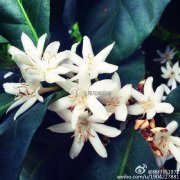
Rwandan premium coffee comes from washed Arabica beans with a unique and perfect wind
Madagascar is basically a producer of Robaik coffee, but there are plans to increase the cultivation of Arabica coffee beans. Since 1989, the island's coffee industry has been privatized and deregulated, with total coffee production reaching around 1 million bags per year. Domestic consumption of coffee is high because Malagasy people like to drink coffee. The country's Robert
2016-05-08 rwanda quality coffee from washed arabic coffee beans with unique
Don't underestimate Kenyan coffee.
Kenya lies to the north of Ethiopia, the origin of Arabica coffee trees, but it was not until the early 20th century that it was engaged in coffee cultivation. In the 19th century, missionaries introduced Arabica trees from Yemen, but did not plant them in large quantities. It was not until 1893, when Brazil's ancient bourbon seeds were introduced, that coffee was cultivated on a large scale. That is to say, the current Kenyan coffee has Brazilian ancestry.
2014-08-22 No underestimate Kenya coffee north neighbor rabbi origin lichen